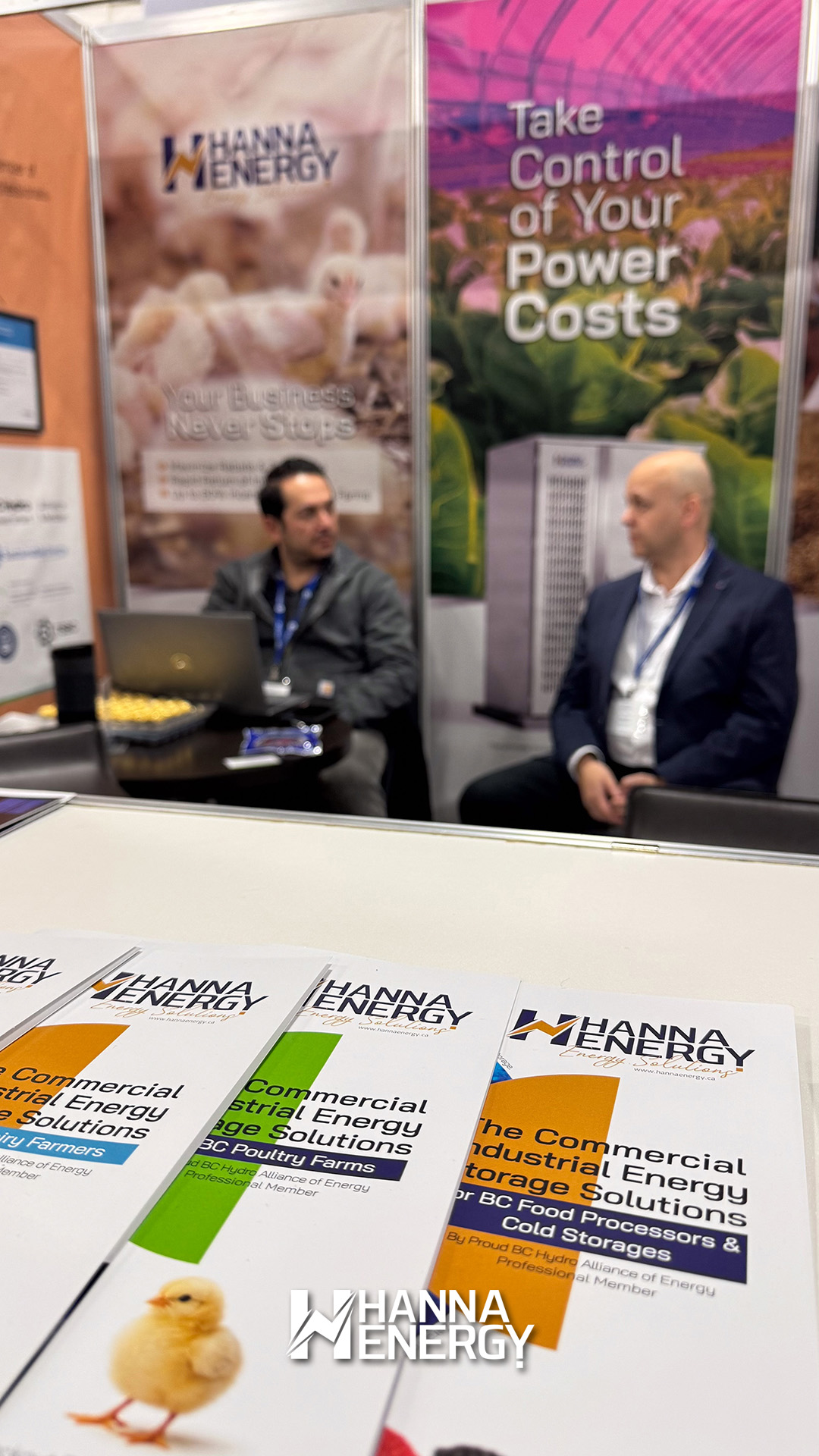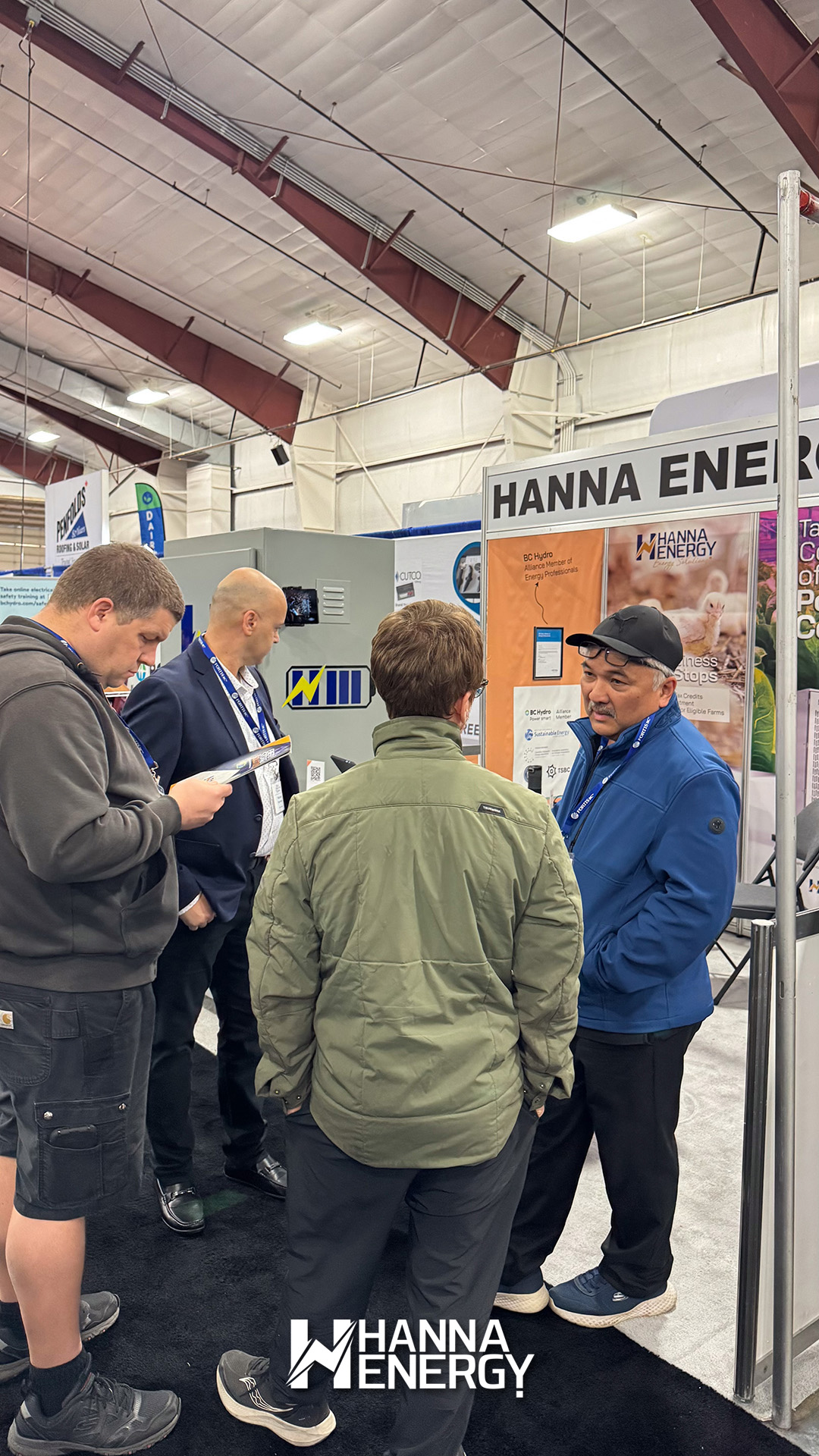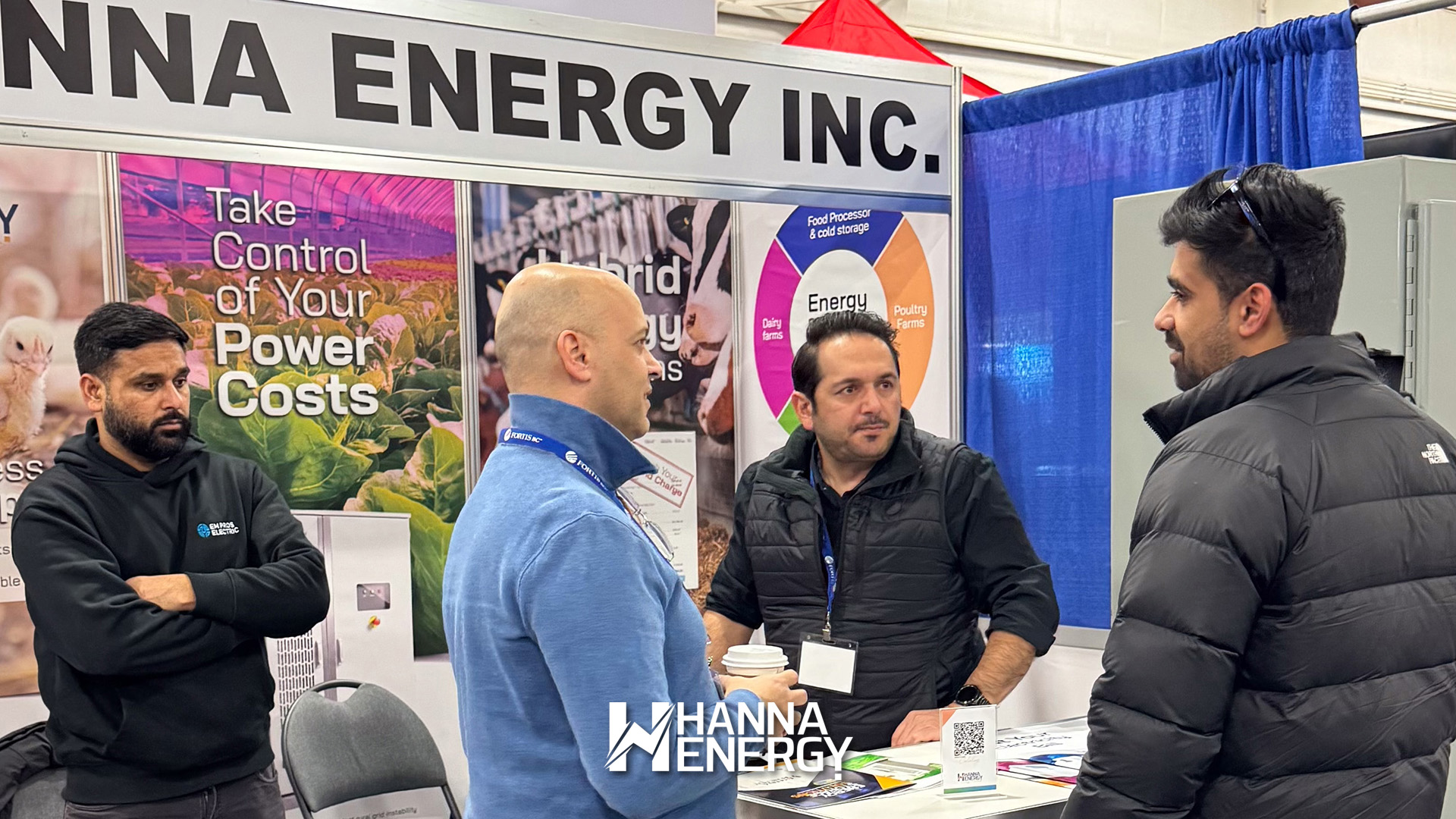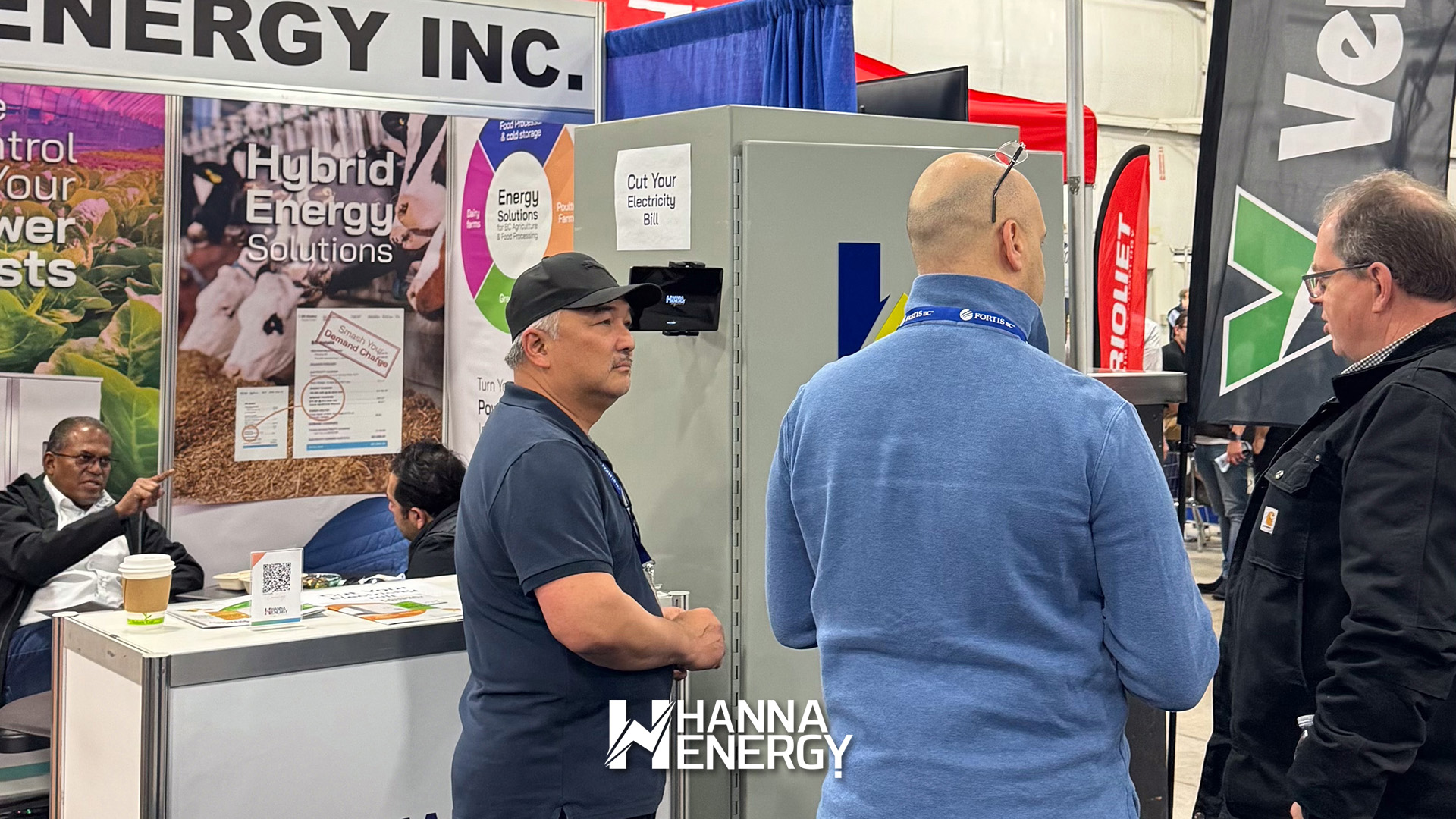
Hanna Energy Showcases Battery Energy Storage Solutions at the 2026 Pacific Agriculture Show
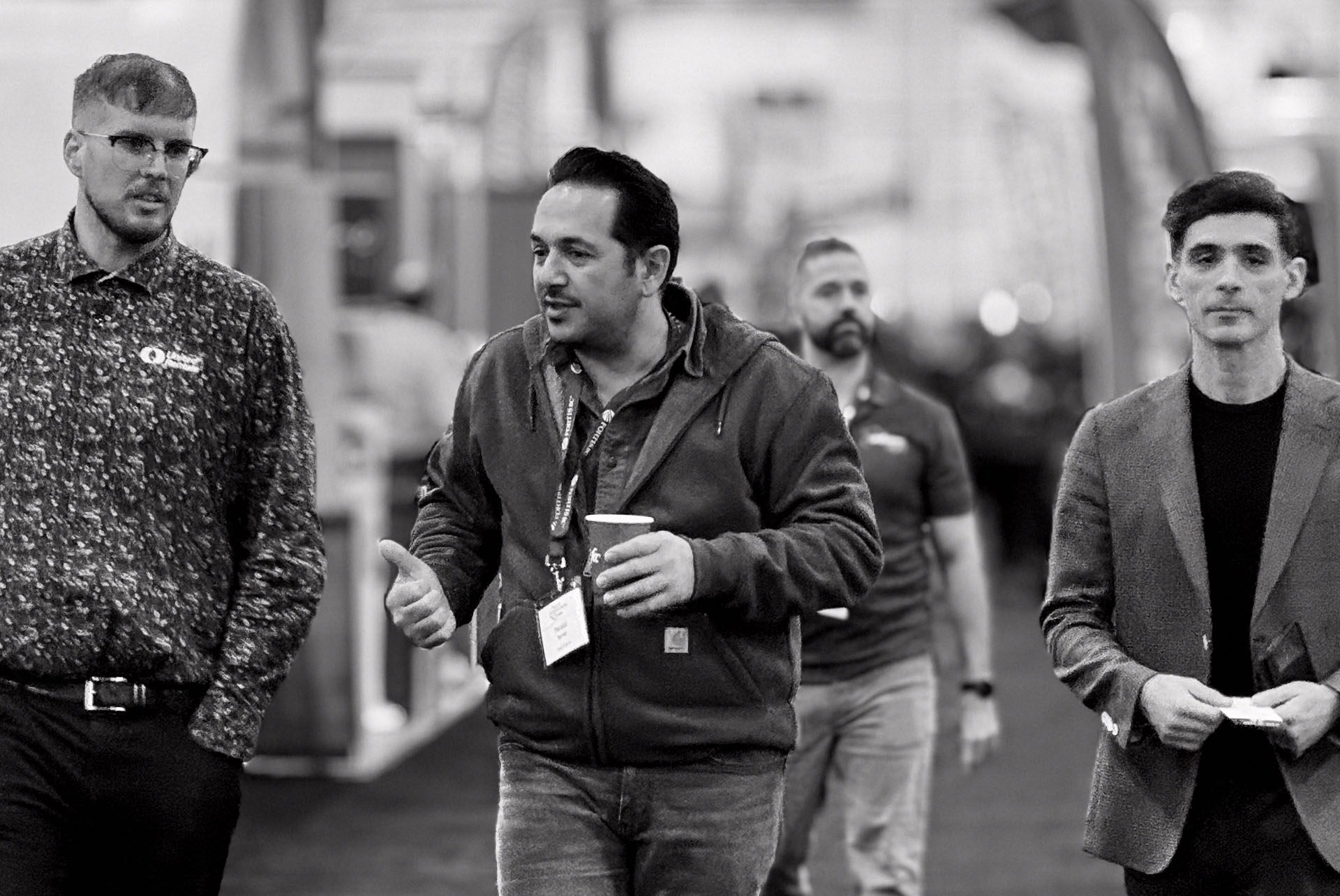
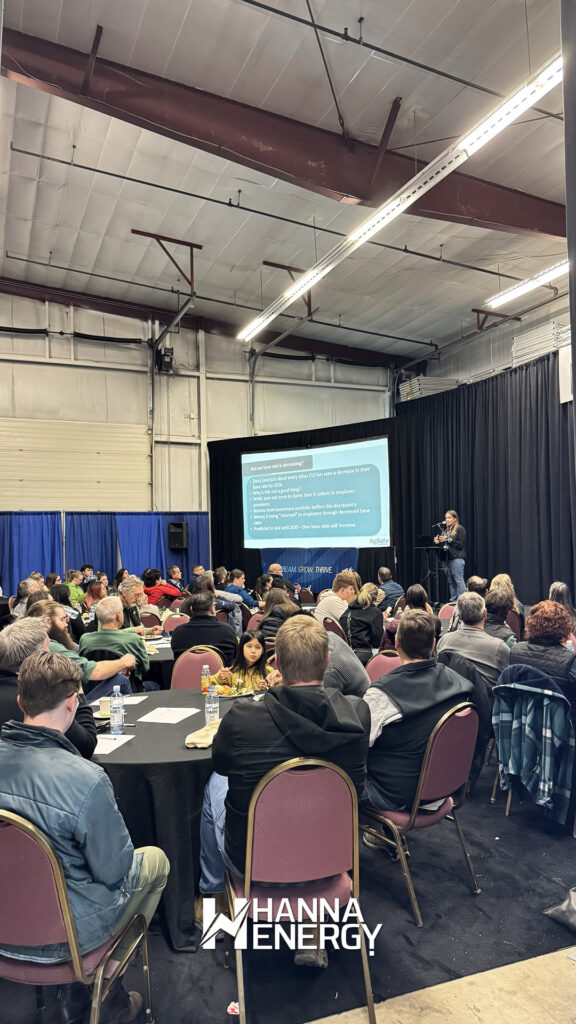
The 28th Annual Pacific Agriculture Show, held from January 22 to 24, 2026, at the Tradex Exhibition Centre in Abbotsford, British Columbia, brought together more than 300 exhibitors and thousands of professionals from across the province’s agricultural and food processing sectors. As one of British Columbia’s leading agricultural trade events, the show provides an opportunity for producers, technology providers, and industry professionals to exchange practical knowledge, explore new technologies, and discuss practical approaches being adopted across the sector.
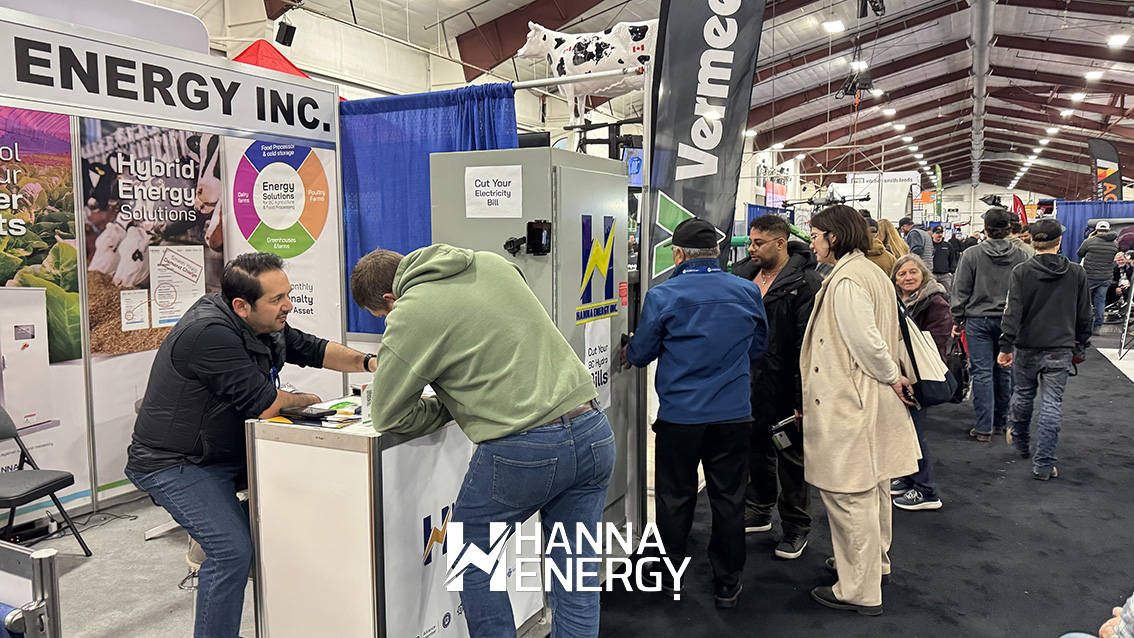
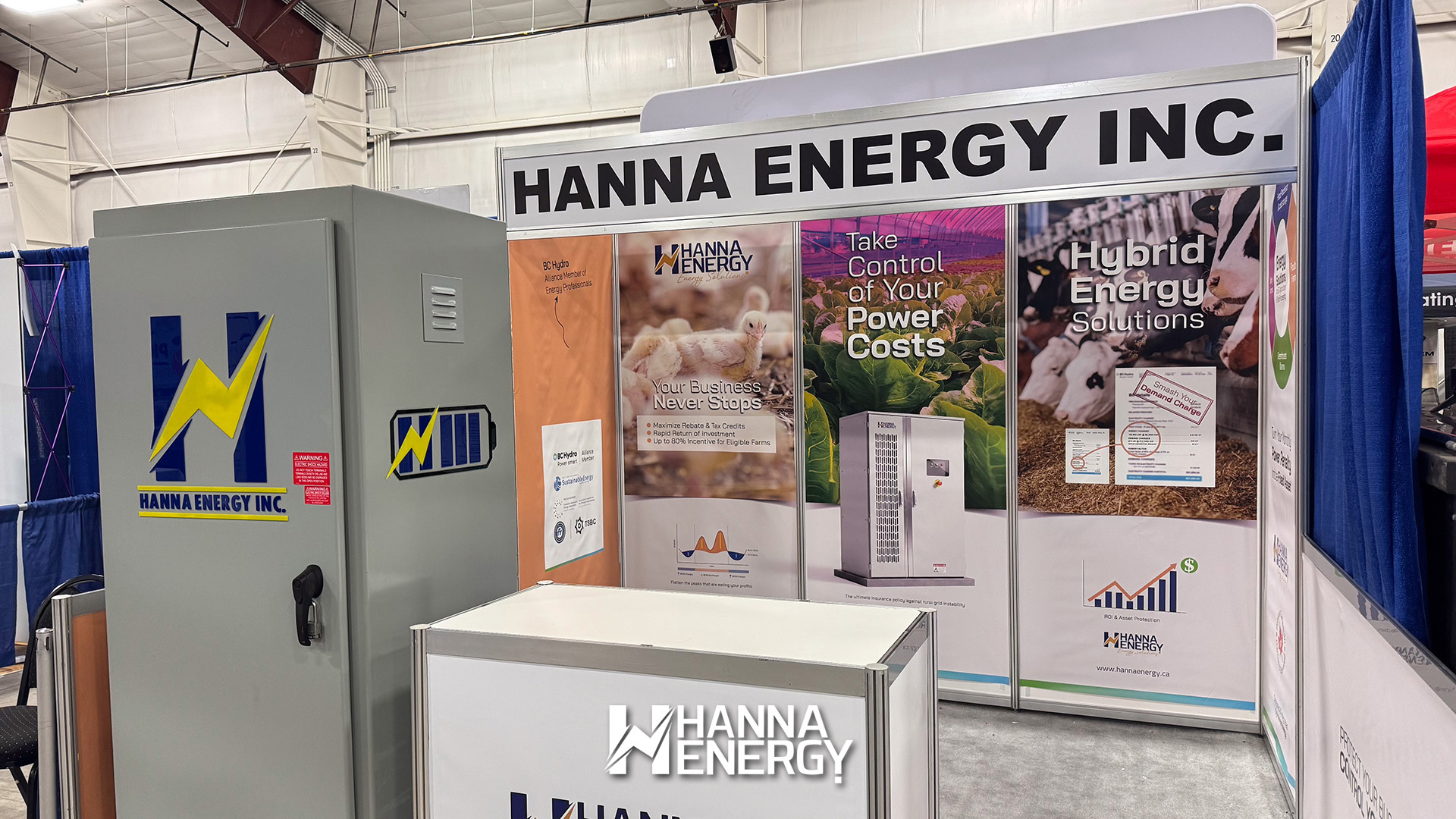
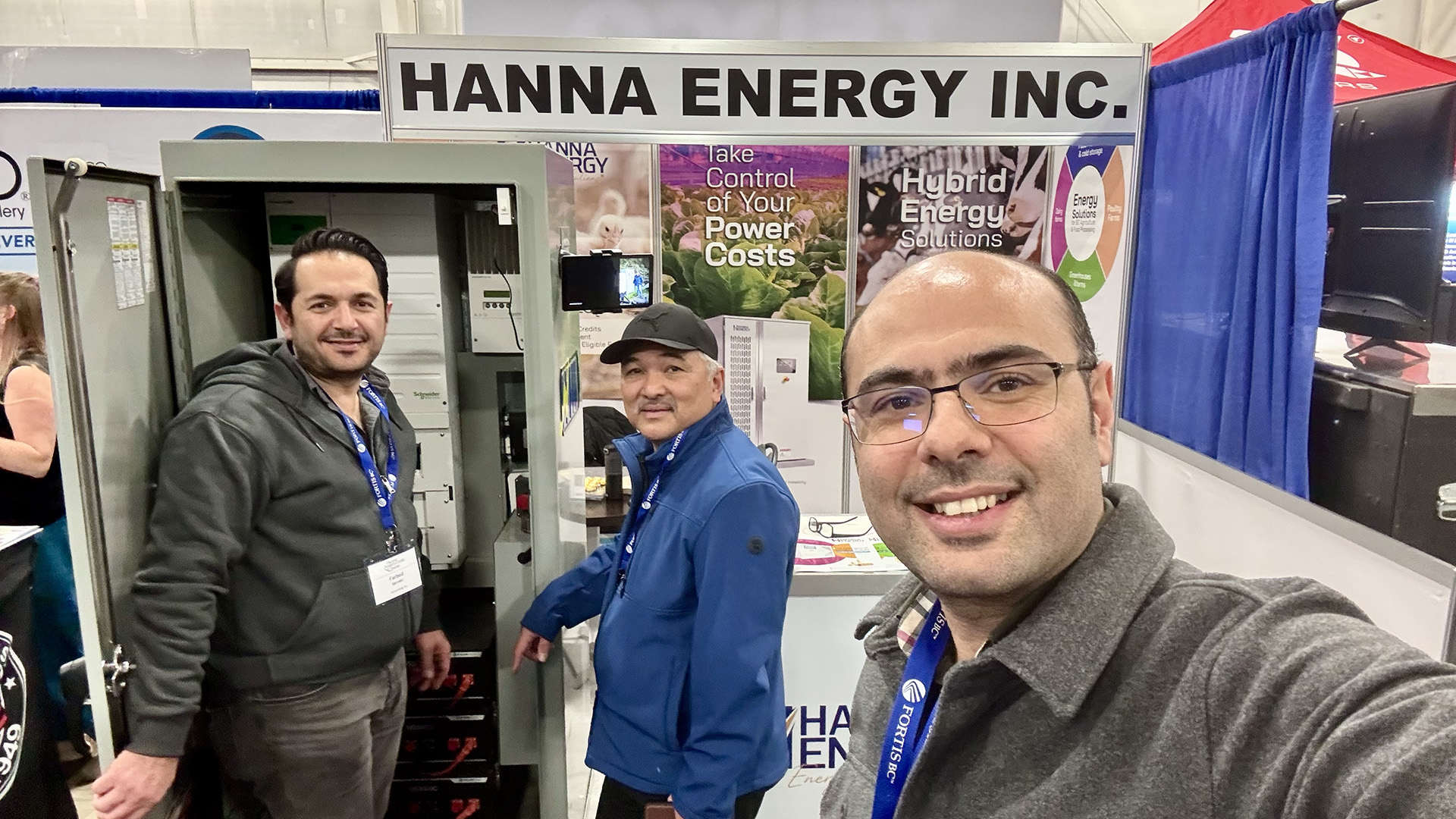
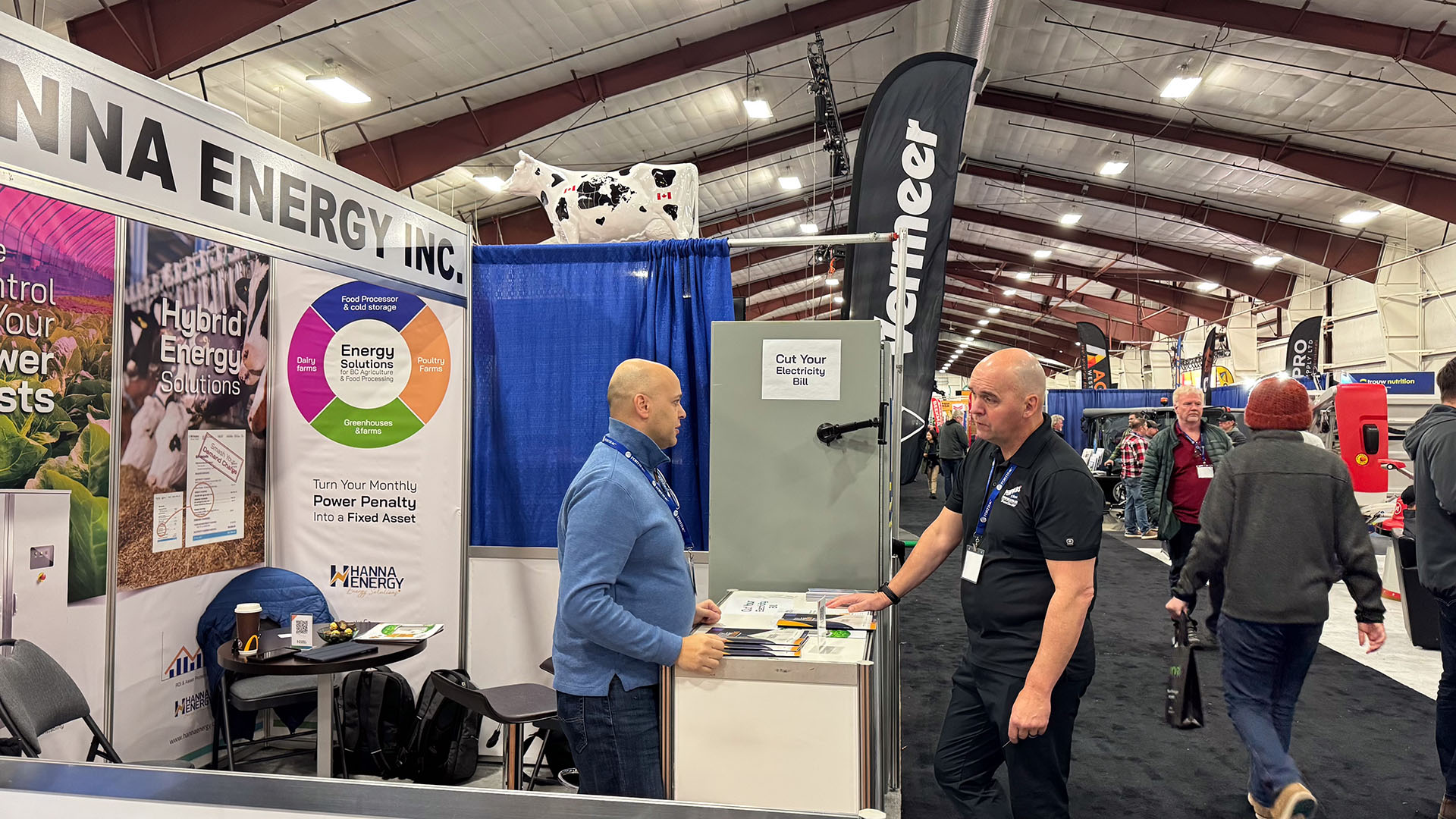
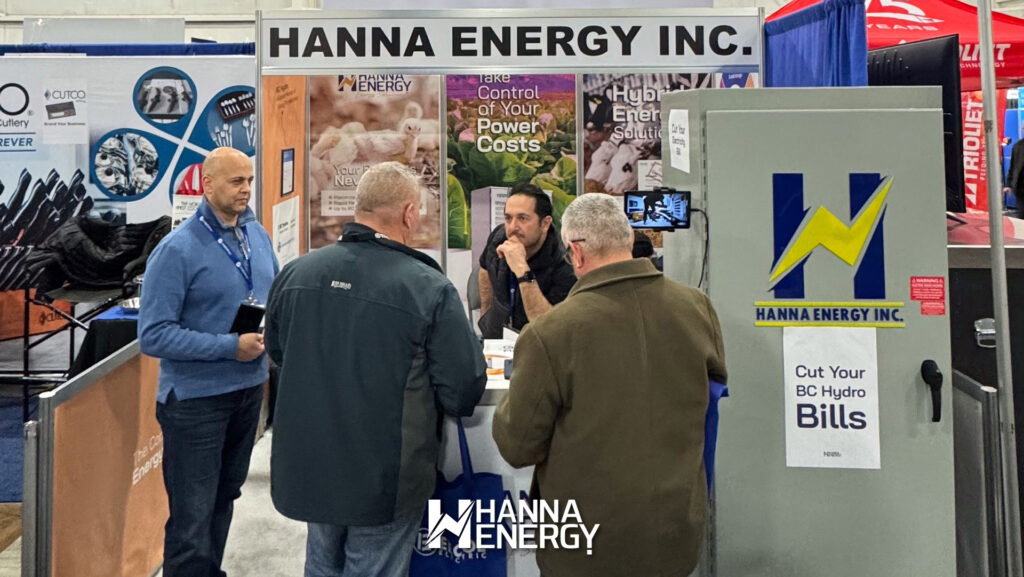
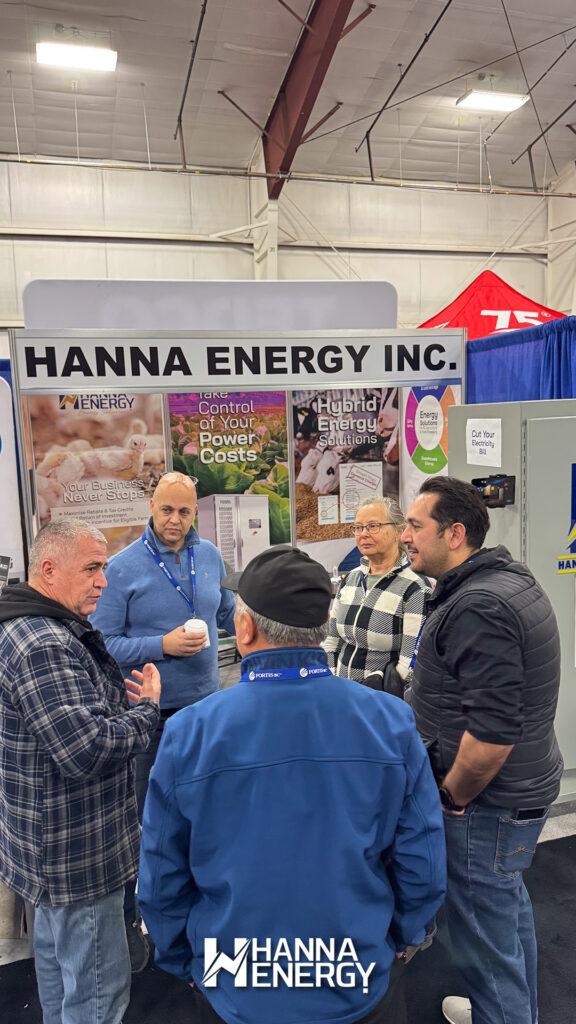
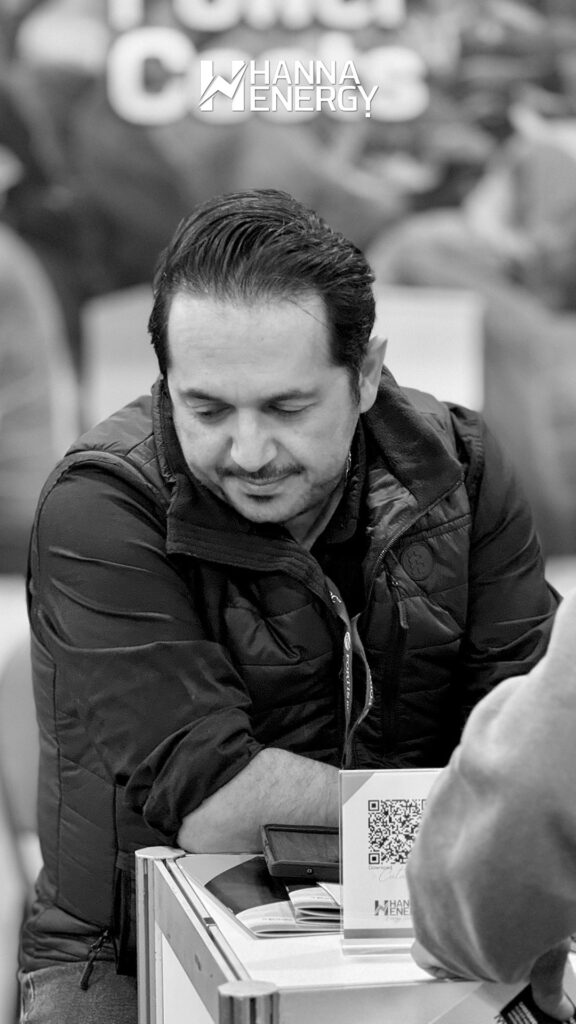
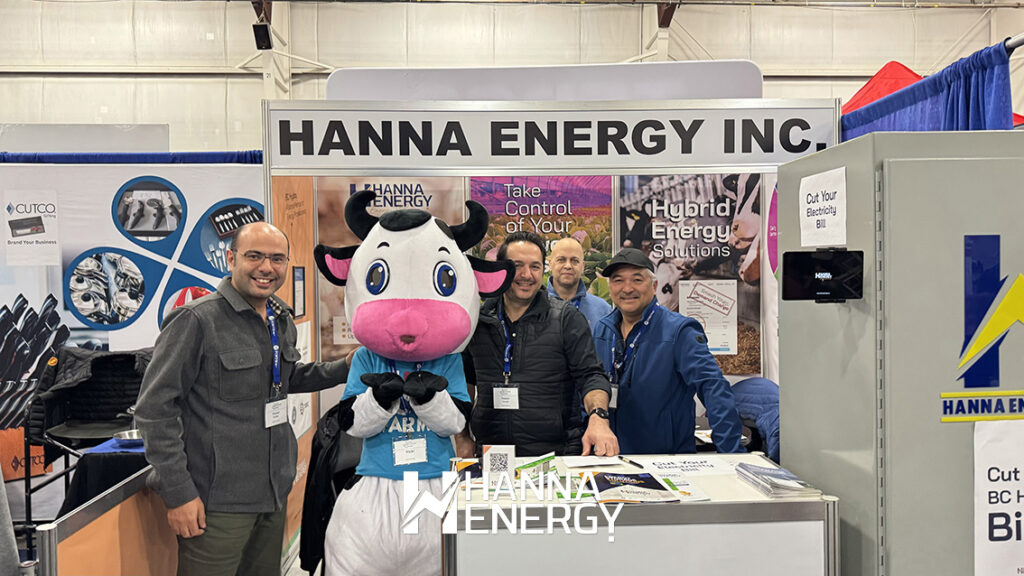
Hanna Energy participated in this year’s exhibition to engage with greenhouse operators, poultry and dairy producers, food processors, and cold storage operators about the evolving energy requirements of modern agricultural facilities. Throughout the event, discussions focused on Battery Energy Storage Systems (BESS), hybrid energy systems, electrical reliability, demand management, and long term energy planning.
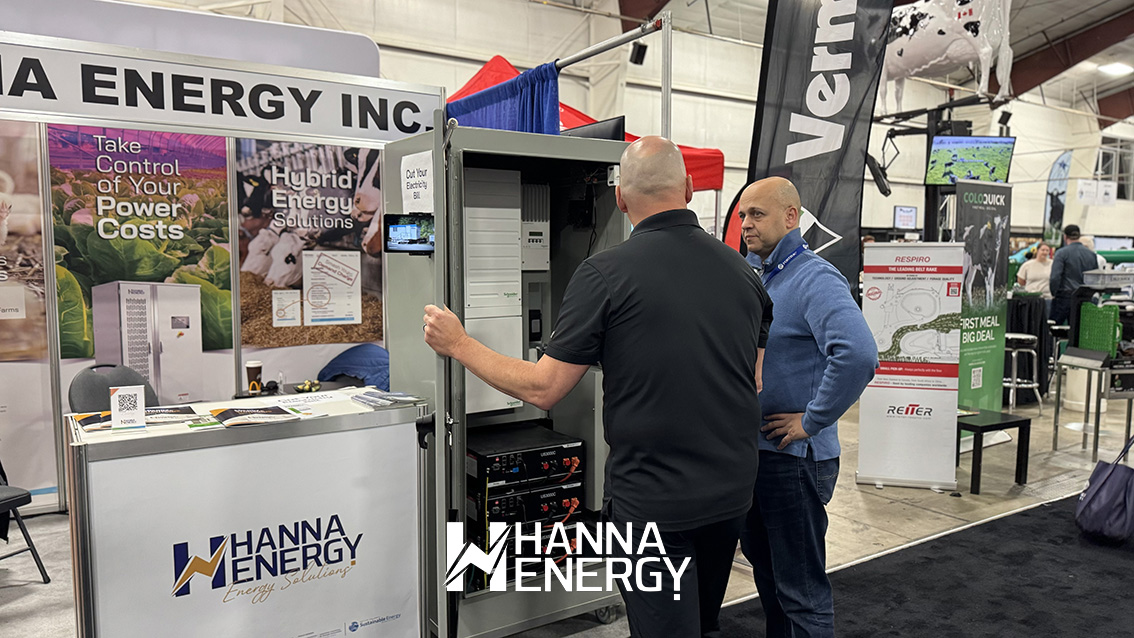
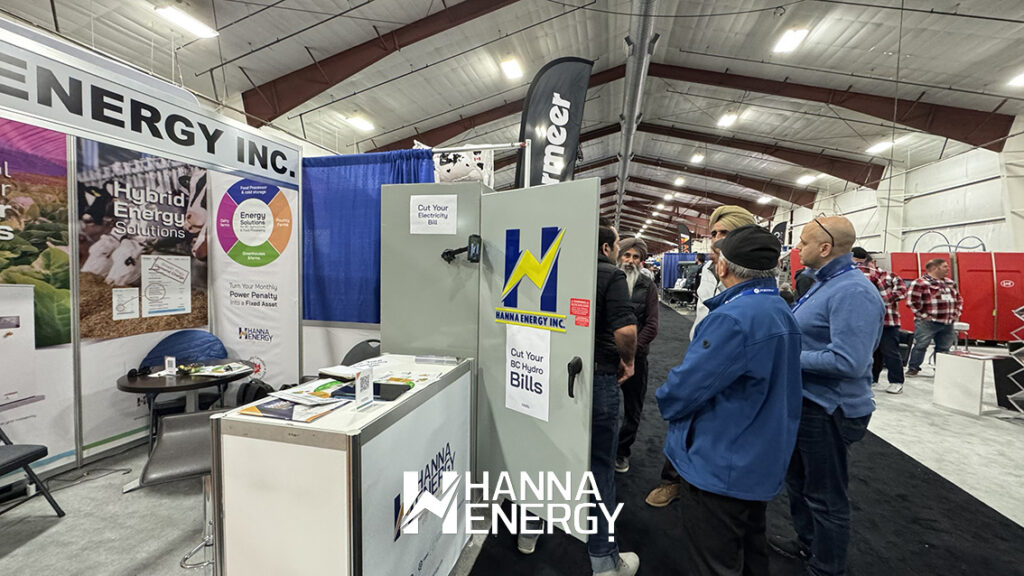
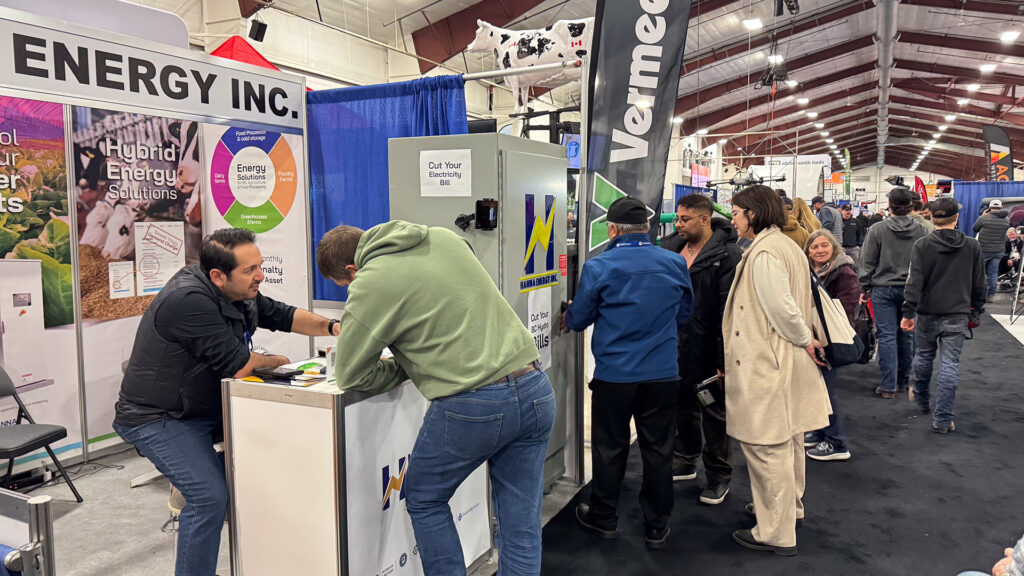
Among the technologies on display was the PowerRack Battery Energy Storage System (BESS), providing visitors with an opportunity to explore one of Hanna Energy’s battery storage systems while discussing integrated energy solutions for commercial and agricultural applications. Rather than promoting a single product, conversations focused on understanding each facility’s operational requirements before identifying an appropriate configuration.
As a BC Hydro Alliance Member, Hanna Energy also discussed utility programs and funding opportunities that may be applicable to individual projects. Because program availability and eligibility requirements can change over time, these discussions were based on current information and considered on a project by project basis.
Why Energy Infrastructure Matters More Than It Used To
Agricultural operations continue to adopt new technologies that rely on increasingly sophisticated electrical infrastructure. Automated equipment, refrigeration, ventilation, irrigation controls, lighting systems, and digital monitoring tools now run for most of the day across many operations. As facilities modernize, the electrical system underneath all of it has become something worth planning for, not just maintaining when something breaks.
Backup power used to be the main conversation. Now the discussion is broader. Battery storage, hybrid systems, and smarter energy management are all part of how operators think about resilience and where their facility is headed.
That shift was obvious in the conversations at the show. Visitors weren’t just asking “what happens if the power goes out.” They were asking how to strengthen what they already have without tearing up existing workflows to do it.
Different Operations, Different Electrical Realities
Even within agriculture, electricity gets used in very different ways depending on the operation.
Greenhouses lean heavily on environmental controls temperature, humidity, irrigation, lighting, ventilation all coordinated and largely automated. These operations rely on continuous electrical supply to support automated environmental control systems.
Food processing and cold storage facilities run refrigeration, compressors, and production lines more or less continuously. For these operations, unplanned interruptions carry a different kind of cost than they would elsewhere, which makes reliability a recurring topic.
Dairy operations increasingly depend on automated milking equipment, cooling systems, and pumps. Poultry farms run ventilation, feeding systems, lighting, and climate controls around the clock.
What tied these conversations together wasn’t a shared technology it was a shared expectation: operators want energy systems designed around how their facility actually works, not a generic template applied across the board.
Agricultural Operations at a Glance
|
Agricultural Sector |
Typical Operational Focus |
|
Greenhouses |
Climate control, irrigation, lighting |
|
Poultry Farms |
Ventilation, feeding and environmental control |
|
Dairy Farms |
Automated milking, cooling systems |
|
Food Processing & Cold Storage |
Refrigeration, compressors and production equipment |
Looking at BESS Through an Agricultural Lens
A good part of Hanna Energy’s time at the booth went toward showing how Battery Energy Storage Systems fit into different types of agricultural facilities not as a standalone box, but as one piece of a broader energy strategy.
Rather than leading with specs, the conversations focused on how storage interacts with the rest of a facility’s electrical planning: backup capability, demand management, and where it sits in a longer infrastructure roadmap.
PowerRack on Display
Among the technologies presented at the Hanna Energy booth was the PowerRack Battery Energy Storage System, which visitors had the opportunity to explore throughout the exhibition.
PowerRack represents one of Hanna Energy’s battery energy storage systems and is designed for applications where its capabilities align with project requirements. Alongside PowerRack, the Hanna Energy team discussed a broader range of battery energy storage, hybrid energy systems, and integrated energy system designs for commercial and agricultural facilities.
Rather than focusing on a single product, conversations centered on how each customer’s existing setup, day-to-day needs, and future plans shape the right configuration.
Greenhouses
Greenhouse operations juggle several electrical systems at once: environmental controls, irrigation, lighting, pumps, and climate management. The challenge is keeping all of them running in sync. Discussions covered battery storage and hybrid configurations suited to the continuous electrical load these environments require.
Poultry Operations
For poultry operations, a power interruption isn’t just an inconvenience it can affect ventilation and temperature controls within minutes. Discussions at the booth focused on how battery storage can work alongside existing backup generation to reduce that exposure, and how hybrid configurations can be adapted to the continuous load patterns typical of these facilities.
Dairy Facilities
Modern dairy operations run on automated milking systems, cooling equipment, and pumps that don’t really have downtime. One topic that came up frequently was power quality voltage fluctuations and brief interruptions can affect sensitive automation equipment in ways that aren’t always obvious. Conversations covered how battery storage and hybrid configurations can address those specific concerns, with each project evaluated individually given how differently farms are set up.
Food Processing & Cold Storage
In food processing and cold storage, the cost of an unplanned interruption is straightforward to calculate product loss, equipment stress, and production delays add up quickly. Discussions focused on how battery storage and hybrid configurations can support more consistent day-to-day operations, with demand management as part of the broader electrical planning for these facilities.
The Throughline: No Two Facilities Are the Same
If there was one idea that came up at nearly every conversation, it’s this: electrical demand, operating hours, production processes, and growth plans vary enough from one facility to the next that a one-size-fits-all configuration rarely makes sense.
Hanna Energy’s process starts with understanding how a facility uses electricity, then narrows down toward system designs battery storage, hybrid configurations, or broader infrastructure upgrades that fit the day-to-day needs and future plans of that specific business.
Beyond the Exhibition Floor
The show confirmed something we’ve been seeing across BC. More agricultural operations are investing in automation and electrification, which means electrical infrastructure is becoming a bigger part of day-to-day planning not just a backup concern.
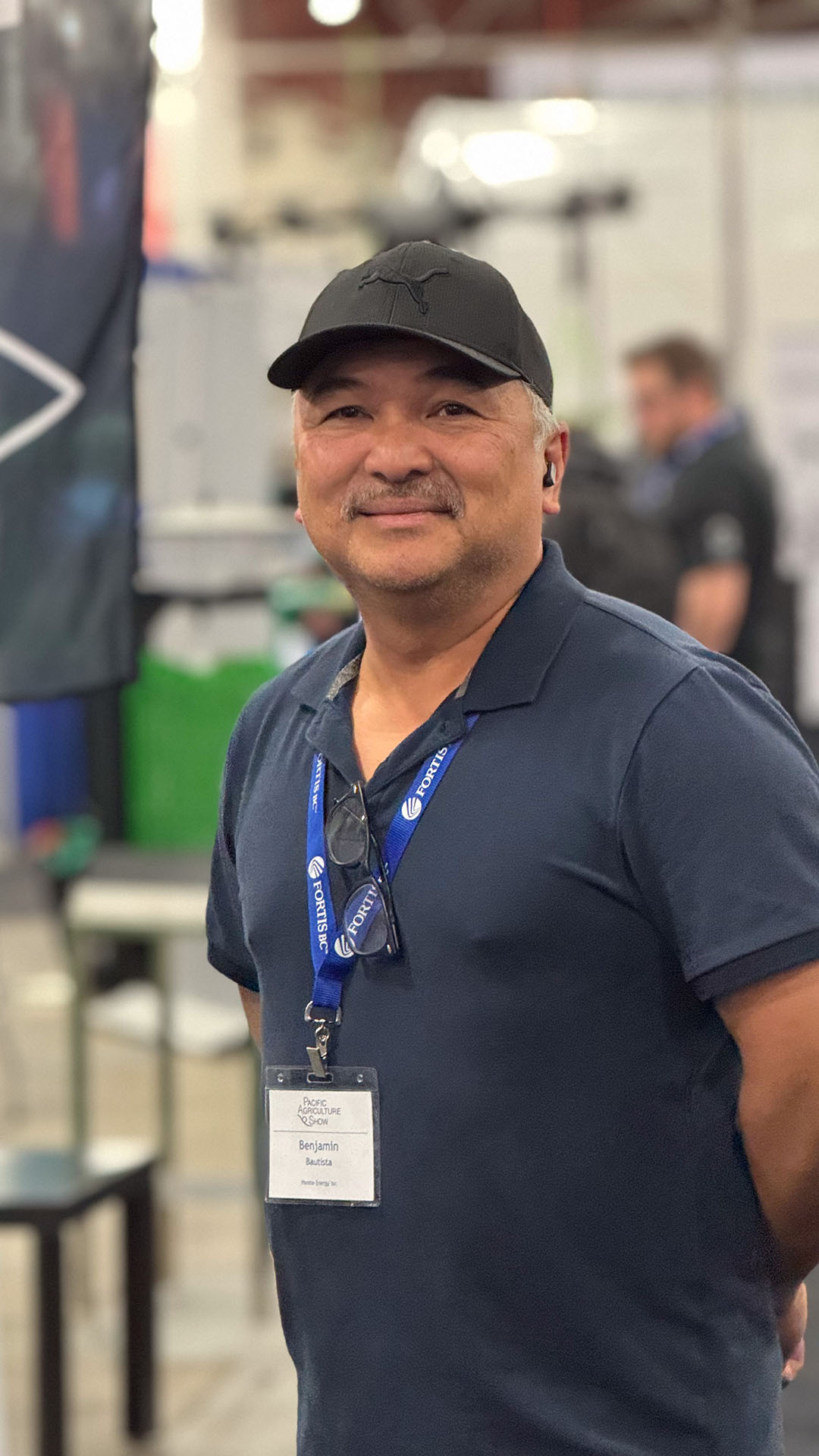
Hanna Energy appreciated the chance to talk with producers, facility owners, and industry professionals throughout the event, and many of those conversations are continuing now as businesses work through their own energy planning.
How Hanna Energy Works With Customers
Every project starts the same way: by understanding how a facility operates. Beyond showcasing technologies like PowerRack, Hanna Energy’s process involves reviewing a customer’s existing electrical setup, day-to-day needs, and future plans before identifying an appropriate energy solution.
As a BC Hydro Alliance Member, the team can also help customers navigate current utility programs and funding opportunities that might apply to their project. Since program details and eligibility change over time, these are reviewed against current criteria on a project-by-project basis rather than assumed in advance.
Get in Touch
Whether you run a greenhouse, poultry farm, dairy operation, food processing plant, or cold storage facility, the starting point is always the same: understanding what your operation actually needs.
If you’re exploring battery energy storage, hybrid energy systems, or broader electrical infrastructure planning, the Hanna Energy team is available to talk through your project and look at what might work for your facility.
A Battery Energy Storage System stores electricity for use later, when it’s needed. Depending on how it’s configured, it can support backup power, demand management, hybrid energy setups, and broader electrical infrastructure planning.
A Battery Energy Storage System stores electricity for use later, when it’s needed. Depending on how it’s configured, it can support backup power, demand management, hybrid energy setups, and broader electrical infrastructure planning.
Many agricultural facilities run refrigeration, ventilation, irrigation, lighting, and automated equipment for extended periods. Battery storage, when designed around a facility’s specific load profile, can become part of a broader strategy to support steadier day-to-day operations.
No. Electrical loads, operating priorities, and growth plans differ from one facility to the next, so each project is evaluated individually before an appropriate solution is recommended
Greenhouses, farms, poultry facilities, dairy operations, food processing plants, cold storage facilities, and commercial or industrial buildings more broadly.
A hybrid energy system combines more than one power source or technology for example; battery storage paired with backup generation to support more flexible energy management. The right configuration depends on the specifics of each project.
Yes. Hanna Energy is a BC Hydro Alliance Member and helps customers understand current utility programs and funding opportunities where applicable. Program details, eligibility, and funding criteria are set by the program providers and can change over time.
The show was an opportunity to meet agricultural businesses from across British Columbia, hear about the energy challenges they’re facing, and show how battery storage, hybrid configurations, and integrated energy solutions can be adapted to different types of agricultural operations.
It depends on the facility. Battery storage may be worth exploring when a farm or processing operation is dealing with reliability concerns, high demand charges, limited grid capacity, or plans to add significant new electrical load. The starting point is always a review of how the facility currently uses electricity and what it needs to support going forward.
Lorem ipsum dolor sit amet, consectetur adipiscing elit. Ut elit tellus, luctus nec ullamcorper mattis, pulvinar dapibus leo.